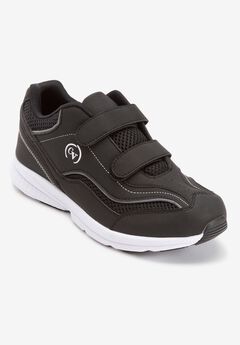
1. Arch Support
Look for shoes with strong arch support to help stabilize your feet and prevent excessive inward rolling. Proper arch support helps distribute weight evenly and reduces strain on your ankles and knees.
Choosing the right shoes can make a big difference if you experience pronation, helping to support your feet and improve comfort.
1. Arch Support
Look for shoes with strong arch support to help stabilize your feet and prevent excessive inward rolling. Proper arch support helps distribute weight evenly and reduces strain on your ankles and knees.
2. Motion Control Features
Shoes designed with motion control technology provide extra structure and stability, which can help correct overpronation. These features often include firmer midsoles and reinforced heel counters.
3. Cushioning
Ample cushioning absorbs shock and provides comfort, especially if you spend long hours on your feet. Cushioning in the midsole and heel areas can also help reduce the impact on your joints.
4. Fit and Width Options
A proper fit is essential for pronation support. Look for brands that offer wide width options to ensure your foot sits comfortably within the shoe, reducing friction and enhancing stability.
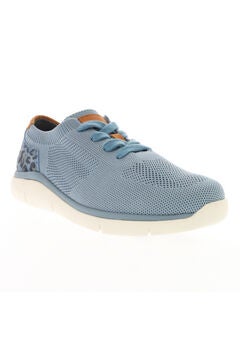
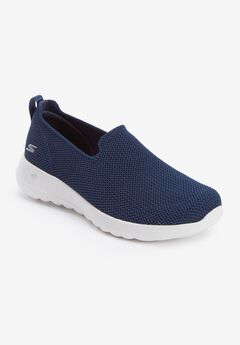
A breathable mesh sneaker with EVA support and customizable fit for enhanced comfort and stability.
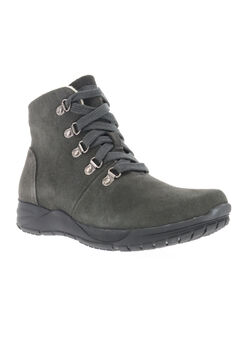
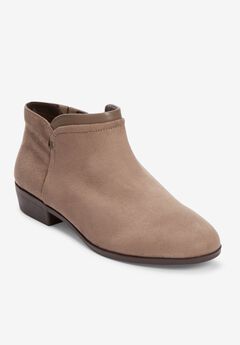
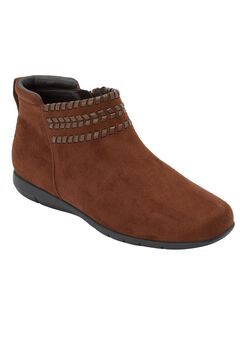
A grey cow suede bootie with arch support, flexible rubber sole, and customizable fit.
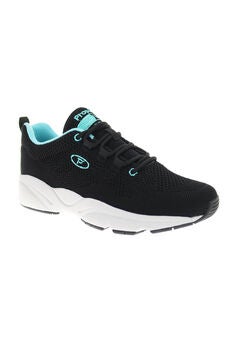
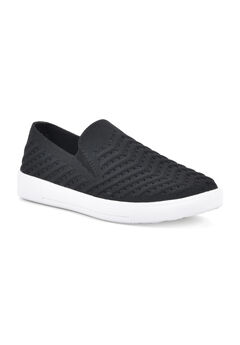
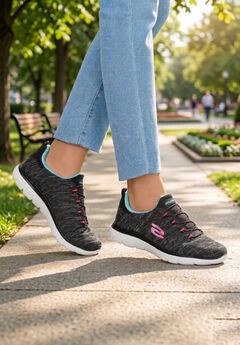
A sporty black sneaker with a precision knit mesh upper and orthotic-friendly removable footbed.
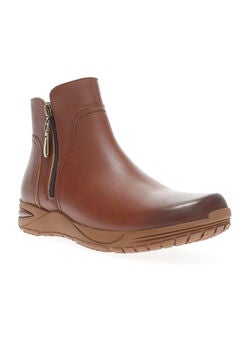
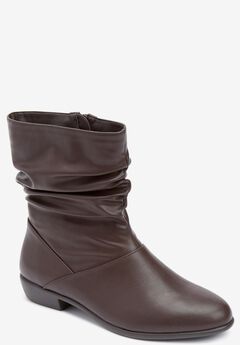
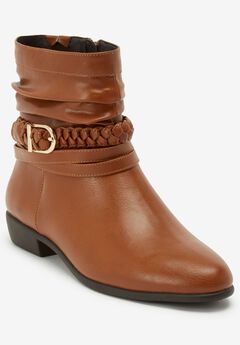
An extra roomy brown leather bootie with twin zips and responsive cushioned comfort for every step.

A supportive suede sneaker with Ortholite® insoles and a firm heel counter for enhanced stability.
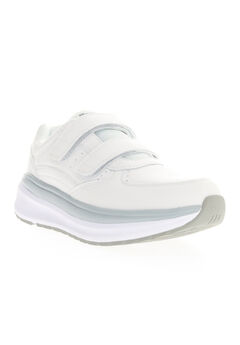
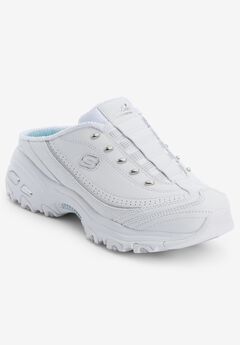
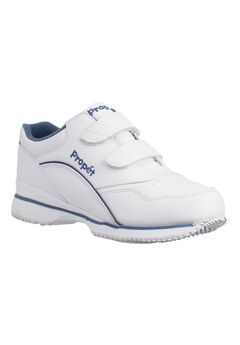
A white leather sneaker with OrthoLite® cushioning and EVA midsole for enhanced support and traction.
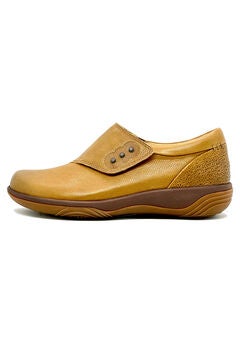
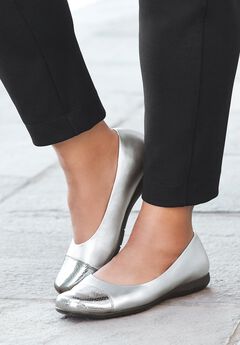
An elegant leather flat with ergonomic support, antimicrobial lining, and adjustable fastener for all-day comfort.
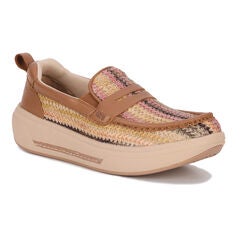
A tan and pink slip-on loafer with dual goring, removable insoles, and cushioned rocker soles for comfort.
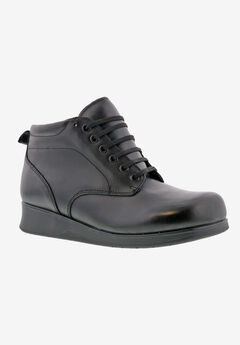
A black orthotic bootie with durable leather, moisture-wicking lining, and three-layer comfort insole.

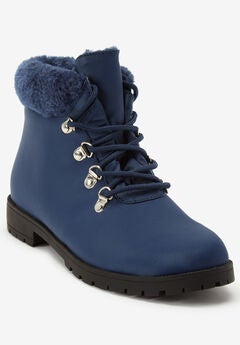
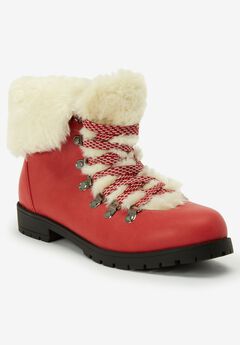
A brown leather and suede bootie with faux fur collar, EVA heel, and flexible rubber sole.
Shoes designed for pronation often include features such as firm arch support, structured midsoles, and reinforced heel counters to help stabilize the foot and encourage proper alignment.
Yes, motion control and stability shoes are commonly recommended for pronation. These styles offer extra support and structure to help guide your foot through a natural gait cycle.
Many shoes for pronation are designed with removable insoles, allowing you to insert custom or over-the-counter orthotics for additional support and comfort.
Look for shoes with a noticeable arch built into the footbed or insole. Product descriptions often highlight features like 'enhanced arch support' or 'stabilizing technology' to indicate suitability for pronation.
Absolutely! Many brands now offer stylish shoes with built-in pronation support, including sneakers, sandals, flats, and boots, so you don't have to compromise on style for comfort.